Remote Customer Service Jobs for Nigerians: Where to Apply
Customer service is one of the easiest remote jobs to break into. Companies need people to answer questions, solve problems, and keep customers happy. If you can communicate clearly and stay patient under pressure, this could be your entry into remote work.
Why Customer Service is Good for Beginners
Unlike coding or design, you don’t need specialized technical skills. Most companies provide training. What matters is your communication, problem-solving, and ability to stay calm when dealing with frustrated customers.
The work is straightforward. You handle customer inquiries through chat, email, or phone. You follow company guidelines to resolve issues. You document interactions. That’s basically it.
Many Nigerians have started with customer service and moved into better-paying remote roles later. It’s a solid foundation.

What Customer Service Reps Actually Do
The day-to-day work depends on the company, but common tasks include:
Chat Support: Responding to customer questions via live chat on websites or apps. This is usually text-based, so no video or voice calls. You handle multiple chats simultaneously, typically 2-4 at once.
Email Support: Reading and responding to customer emails. This is less time-sensitive than chat. You might handle 30-50 emails per shift, depending on complexity.
Phone Support: Taking inbound calls from customers who need help. This requires good spoken English and a quiet environment. Some positions are outbound calls, but those are less common for entry-level.
Social Media Support: Responding to customer messages and comments on platforms like Facebook, Twitter, and Instagram. Companies want quick responses to maintain their public image.
Technical Support: Helping customers troubleshoot basic technical issues. This pays better but requires more training and patience.
The work can be repetitive. You’ll answer the same questions multiple times daily. But it’s stable income while you’re building other skills.
Skills and Requirements
Must Have:
- Good written and spoken English
- Patience with difficult customers
- Basic computer skills
- Reliable internet connection
- Quiet workspace
- Professionalism
Nice to Have:
- Previous customer service experience
- Fast typing speed (40+ words per minute)
- Experience with CRM software
- Problem-solving ability
- Empathy
Technical Requirements:
- Laptop or desktop computer
- Headset with microphone (for phone support)
- Internet speed of at least 5 Mbps
- Backup power supply (important in Nigeria)
- Updated browser and software
Most companies test your English and typing speed during application. Practice beforehand if you’re not confident.
Companies Hiring Nigerian Customer Service Reps
International Companies
Arise One of the largest virtual call center platforms. They hire globally, including Nigerians.
What you do: Phone-based customer service for major brands Pay: Varies, typically $9-15 per hour How to apply: Register on arise.com, complete certification courses, apply to opportunities
Note: You pay for initial certification (around $150). This turns some people off, but many Nigerians have found success here. Research thoroughly before paying.
LiveWorld Social media customer service and engagement.
What you do: Respond to social media comments and messages Pay: Around $10-12 per hour How to apply: Check liveworld.com careers page, apply when positions open
They hire periodically, not always. Keep checking back.
ModSquad Provides customer support, social media, and content moderation services.
What you do: Various customer support tasks depending on client Pay: Competitive hourly rates How to apply: modsquad.com careers section
They call their workers “Mods.” Application process includes assessment tests.
Working Solutions Offers remote customer service positions.
What you do: Inbound and outbound customer service calls Pay: Varies by project How to apply: workingsolutions.com
Background check required. Must pass assessments.
Concentrix Large BPO company with remote positions.
What you do: Customer service for various clients Pay: Competitive rates How to apply: concentrix.com careers, filter for remote positions
They have thousands of employees. Regular hiring.
Nigerian Companies
Flutterwave Payment technology company based in Nigeria.
What you do: Customer support for merchants and users Pay: Competitive Nigerian salary How to apply: careers.flutterwave.com
They prefer people with fintech knowledge but train the right candidates.
Paystack (now part of Stripe) Payment processing company.
What you do: Technical and general customer support Pay: Good salary for Nigerian market How to apply: paystack.com/careers
Competitive position. Strong English and problem-solving required.
Kuda Bank Digital bank in Nigeria.
What you do: Customer support via chat and email Pay: Market-rate salary How to apply: kuda.com/careers
They hire regularly as they grow. Banking knowledge helpful but not required.
Jumia E-commerce platform.
What you do: Handle customer inquiries about orders, returns, complaints Pay: Entry to mid-level Nigerian salary How to apply: group.jumia.com/careers
Large team. Regular hiring for customer service roles.
Andela Tech talent company.
What you do: Various support roles Pay: Competitive How to apply: andela.com/careers
More technical than pure customer service but worth checking.
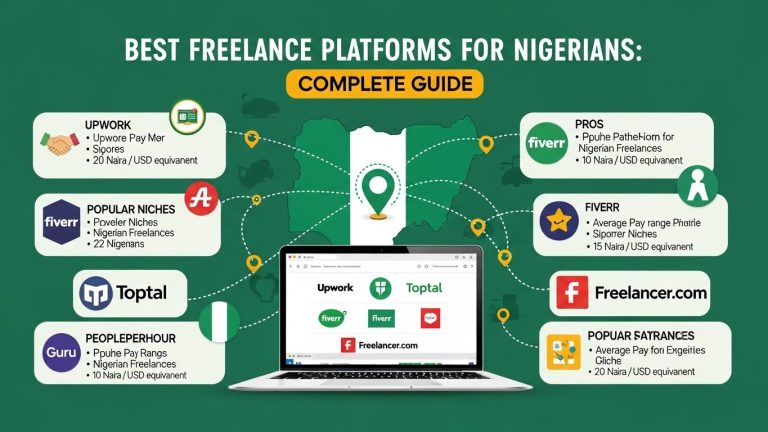
Freelance Platforms
You can also find customer service gigs on:
Upwork Search for “customer service” or “customer support” roles. Many are long-term contracts. Pay varies widely from $5 to $20+ per hour depending on complexity.
Fiverr Create gigs offering customer service support. Clients come to you. Typical services include email management, chat support, and ticket resolution.
Freelancer.com Similar to Upwork. Bid on customer service projects. Competition is high, so price competitively initially.
Application Process
Most companies follow similar steps:
Step 1: Online Application Fill out application form with basic information, work history, and skills.
Step 2: Assessment Tests English proficiency test, typing test, situational judgment test. These eliminate candidates who don’t meet basic requirements.
Step 3: Interview Usually video interview via Zoom or phone. They assess communication skills, professionalism, and culture fit.
Step 4: Training If hired, you go through training on company systems, products, and procedures. This can be 1-4 weeks, sometimes paid, sometimes unpaid.
Step 5: Start Work Begin handling actual customer interactions, usually with supervision initially.
The entire process can take 2-8 weeks from application to first paycheck.
Expected Earnings
Pay varies significantly based on company, role complexity, and whether you work for Nigerian or international companies.
International Companies: $8-15 per hour, which translates to roughly 120,000-300,000 naira monthly for full-time work (depending on exchange rate and hours).
Nigerian Companies: 60,000-150,000 naira monthly for entry-level positions. Can go higher with experience or technical support roles.
Freelance: Highly variable. Could be 40,000-200,000+ naira monthly depending on clients and hours worked.
Most positions require 20-40 hours per week commitment. Some are full-time, others part-time or flexible.
Work Schedule
Customer service operates when customers need help, which means:
Shifts: Many positions have set shifts, often covering US or European business hours. This might mean evening or night work in Nigerian time.
Weekends: Some roles require weekend availability, though not always.
Flexibility: Some companies offer flexible scheduling, others are strict about shift times. Ask during interview.
Peak Times: Holidays, sales events, and new product launches mean busier periods with potentially more hours available.
If you’re working Nigerian hours for international companies, expect to work when most Nigerians are sleeping.
Challenges of Customer Service Work
Difficult Customers: You’ll deal with angry, rude, or unreasonable people regularly. It’s part of the job. Thick skin helps.
Repetitive: Answering the same questions hundreds of times gets boring. You need strategies to stay engaged.
Metrics and Monitoring: Companies track everything. Response time, customer satisfaction scores, resolution rates. Pressure to meet targets is real.
Limited Growth: Customer service can feel like a dead-end. Many companies offer minimal advancement opportunities.
Mental Fatigue: Constant problem-solving and emotional labor is draining. Burnout is common.
Internet Dependency: If your connection drops, you can’t work. In Nigeria where power is unstable, this is stressful.
Despite these challenges, the work provides steady income and valuable experience.
Tips for Success
During Application: Practice typing tests online before applying. Take sample customer service assessments to know what to expect. Prepare answers to common interview questions about handling difficult customers.
On the Job: Stay organized with multiple chats or tickets. Use templates for common responses but personalize them. Learn the products or services deeply. Document everything properly. Stay calm even with rude customers.
Career Development: Use customer service as stepping stone. Learn the business side. Develop technical skills. Network with team members. Look for internal advancement opportunities. Build skills for your next role while working.
Practical Setup: Invest in good headset. Have backup internet solution. Create professional workspace. Set boundaries if working from shared space. Maintain regular schedule even when working from home.
Red Flags to Watch For
No Training Provided: Legitimate companies train you on their systems and products. If they expect you to start working immediately with no guidance, be suspicious.
Upfront Fees: While some platforms like Arise charge for certification, most direct employment should be free. Be very careful about paying to work.
Vague Job Description: If they can’t clearly explain what you’ll be doing, that’s concerning.
Too Good to Be True: $50 per hour for entry-level customer service? Probably a scam. Research typical pay rates.
No Interview Process: Legitimate companies interview candidates. Instant hiring without assessment is unusual.
Moving Beyond Customer Service
Many people use customer service as foundation for remote work careers. Once you have experience, you can:
Specialize: Technical support, billing specialists, escalation handlers usually pay more.
Move to Related Roles: Operations, quality assurance, training, team leadership.
Transition to Other Remote Work: Use your remote work experience to pursue better-paying positions in other fields.
Start Your Own Business: Some customer service reps start their own customer support agencies.
The key is viewing customer service as beginning, not destination.
Final Advice
Customer service work is legitimate and accessible. It won’t make you rich, but it provides real income while working from home.
Apply to multiple companies simultaneously since acceptance rates are low. Don’t get discouraged by rejections. Keep improving your communication skills and trying.
Once hired, be professional, meet your targets, and start planning your next career move. Customer service can open doors if you use it strategically.
Start by picking 3-5 companies from the list above and applying today. The application process takes time, so begin now rather than waiting for the perfect moment.